Figuring out how to pay for a place to live can be tough, especially when you’re on a tight budget. Affordable housing apartments are designed to help people with lower incomes find a safe and comfortable place to live. You might be wondering if the money you get from food stamps, officially called the Supplemental Nutrition Assistance Program (SNAP), can be used to help you qualify for one of these apartments. Let’s dive in and explore the ins and outs of this topic!
Does SNAP Count as Income for Affordable Housing?
The short answer is: Yes, SNAP benefits are generally considered as a source of income when applying for affordable housing. This means the amount of money you receive from food stamps can be added to your other income sources to determine if you meet the income requirements set by the apartment complex or housing program.
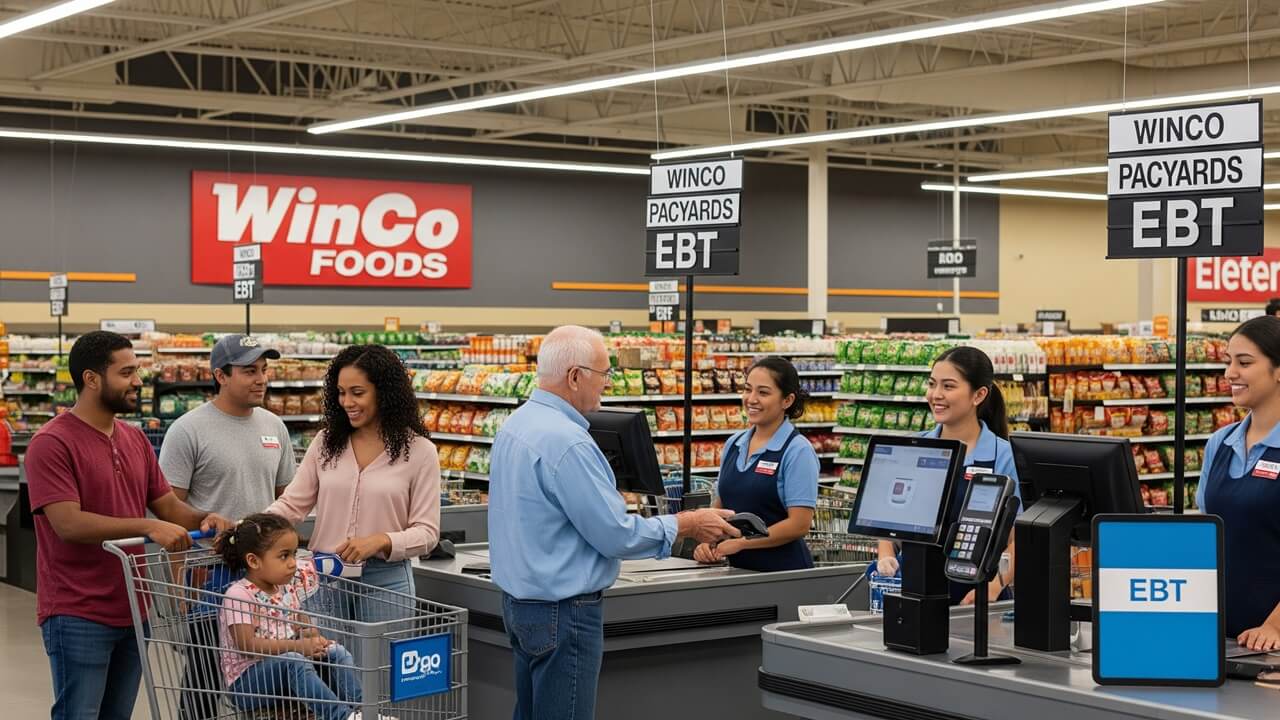
Why Does SNAP Matter for Income Verification?
Affordable housing programs often have rules about how much money you can earn to be eligible. They want to make sure the apartments are going to people who really need them. To figure this out, they need to know all your income sources.
They look at all the money you get regularly, like from a job, Social Security, or even child support. Since food stamps help you buy groceries, the government sees them as helping with your overall financial situation, which impacts your ability to pay rent. That’s why they’re considered as part of your income.
It’s important to be honest and provide all the information about your income when you apply. This will help the application process go smoothly and get you a spot if you are eligible.
Keep in mind that the specific rules for counting SNAP as income can vary depending on the type of affordable housing and where you live. Make sure you ask the apartment complex or the housing authority about their specific requirements.
How Affordable Housing Programs Determine Eligibility
Affordable housing programs often use a formula to figure out if you qualify. They typically look at your gross annual income, which is the total amount of money you make before taxes and other deductions. This includes any income from a job, Social Security, and other sources, including SNAP benefits.
They will then compare your gross income to the income limits set by the program. These limits are usually based on the area median income (AMI), which is the middle income for the area. These limits differ depending on where you live and the size of your household.
- The program will use the information to determine the size of the apartment you are eligible to live in.
- Once you have a good understanding of the income requirements, it is time to start searching.
- Remember to collect all of your documents for your application.
- Check your local laws and guidelines for a better understanding of housing regulations.
For example, if you live in an area where the AMI for a family of four is $80,000, the affordable housing program might have an income limit of 60% of the AMI, or $48,000. If your total income, including SNAP, is below that amount, you might be eligible.
Different programs have different criteria, so it’s important to find the right program to suit your individual needs.
The Application Process and Income Verification
When you apply for affordable housing, you’ll need to provide proof of your income. This is how they verify your income to see if you qualify for the apartment. They’ll probably ask for things like pay stubs, tax returns, bank statements, and a letter from your employer.
For SNAP benefits, you’ll usually need to provide documentation showing how much you receive each month. This might be a printout from the SNAP office, or information on your EBT card (Electronic Benefit Transfer).
- Gather all the required documents.
- Ask for help from a local housing counselor.
- Remember to be patient, the process may take time.
- Complete the application accurately.
The application process might seem a little overwhelming, but it is important to be organized and have all the necessary documents ready to go. They will check the information you provide with the appropriate government agencies to make sure everything is accurate.
Don’t be afraid to ask for help if you need it! Many organizations and programs offer assistance with the application process. They can help you understand the requirements and gather the necessary documents.
Different Types of Affordable Housing Programs
There are several different types of affordable housing programs, and they all have slightly different rules. Some of the most common include:
- Public Housing: This is housing owned and managed by the government.
- Section 8 (Housing Choice Voucher Program): This program helps low-income families pay rent in privately owned apartments.
- Low-Income Housing Tax Credit (LIHTC) properties: These are apartments built and operated by private companies that receive tax credits from the government.
Each program may have its own specific income requirements and rules about how they count SNAP benefits. LIHTC properties, for example, often have stricter income limits than other programs.
It is also good to know that the specific rules can vary depending on your local area. You’ll want to contact the specific program or housing authority in your area to learn more about their requirements.
Here is a simple table to explain the most popular programs.
| Program | Description |
|---|---|
| Public Housing | Government owned housing. |
| Section 8 | Provides housing vouchers. |
| LIHTC | Privately owned properties. |
Possible Challenges and How to Overcome Them
While SNAP can help with affordable housing, there might be some challenges to keep in mind. For example, if your SNAP benefits are your only source of income, it might be difficult to qualify for some apartments. Landlords may want to see a more diverse income source.
Also, the amount of SNAP benefits you receive might not be enough to cover a significant portion of your rent. In that case, you will still need to find a way to cover the rest of the rent costs, which can be difficult.
Here are a few options:
- Get a part-time job.
- Find a roommate.
- Consider applying for other assistance programs.
- Contact a local housing counselor for help.
You should also be aware that SNAP benefits can change. If your SNAP benefits change, it might affect your eligibility for affordable housing. Make sure to notify your landlord or the housing authority if there are any changes to your income.
Where to Find Affordable Housing and Get Help
Finding affordable housing can take some time and effort. The internet is a good place to start! You can search online databases and listings. Many government websites and non-profit organizations offer listings of affordable housing units in your area.
Your local Public Housing Agency (PHA) is also a valuable resource. They can provide information on available affordable housing programs and assist you in applying for them.
- Talk to a housing counselor.
- Search online databases.
- Contact the PHA in your area.
- Contact local charities.
Additionally, seek assistance from local charities and non-profit organizations that offer housing assistance programs. They can guide you through the application process, offer advice, and provide resources to help you find suitable affordable housing options.
Remember to be patient and persistent. Finding affordable housing can be a process, but with persistence and help, you can find a safe and affordable place to live.
Conclusion
So, can you use food stamps as a source of income for affordable housing apartments? Yes, you generally can! SNAP benefits are usually considered part of your income when determining your eligibility. Make sure you understand the specific requirements of the affordable housing program you’re interested in, and be sure to provide accurate and complete information during the application process. With a little research and effort, you can find a place to live that fits your budget. Good luck!